Your colours, your typeface, and what happens when a brand has neither
A studio with a house style makes every customer look like the studio. We took the other position: the film is made of your material, and where your material is silent, the film says so.
The reader takes four things from a page: the accent colour, the second colour, the typeface, and the name. It takes them from what the page actually declares, the stylesheet, the font files, the markup, rather than from a screenshot, because a screenshot cannot tell you which of nine greys is the brand.
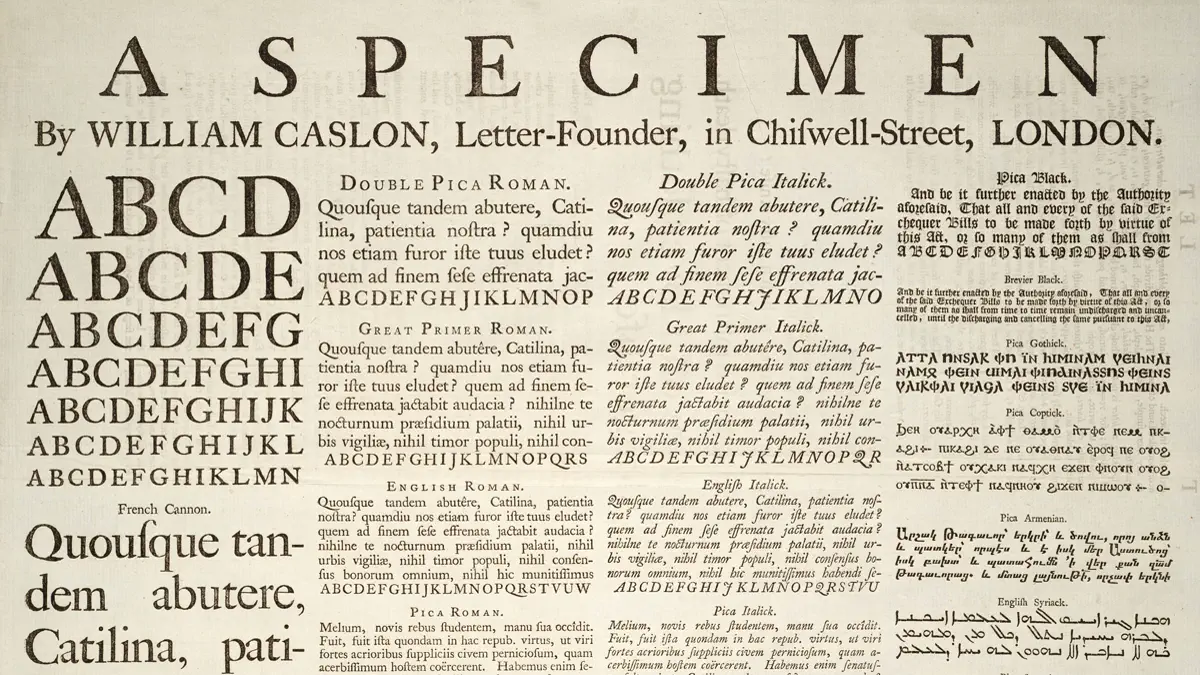
Your typeface, not a lookalike
A film that uses a similar-looking font is a film that looks slightly wrong to the only people who notice: yours. So on a plan, Nine sets the film in your own typeface, from its real file, whenever the font's licence allows it inside a film. When it does not, the film uses another face and says so, rather than passing a lookalike off as yours.
When the stylesheet says nothing
Plenty of good brands declare no accent colour at all: the colour arrives from a logo, an image, a component library. The reader reports that honestly, no colour is declared in this stylesheet, so the colour you see is ours, and the film is made with a colour we chose rather than one we invented on your behalf. You get told which of the two happened. A film that quietly guesses is a film somebody has to correct later, and the correction costs more than the guess saved.
Contrast is a rule, not a taste
A pale accent on white is beautiful on a large logo and unreadable in a line of type. Where a colour has to be read, the film lifts it until it can be; everywhere it is only colour, it stays exactly as you wrote it.
Why this is the free part
Getting the look right is the step that usually eats the first two weeks and produces a moodboard. It is also the step a machine can do from evidence. So it is the part you can try for free: give your address to Nine's free page and it plays Nine's own films in your colours, with no account, yours to argue with before anybody is paid to argue about it.
Seeing one of our films in your own colours is free and needs no account. A film of your own comes with a plan.
Keep reading
- Turn your website into a short brand filmPaste your web address on Nine's front page. Nine reads your colours, your lettering and your words, and shows your colours on our films for free. On a plan, it writes a short film of your own in that look, usually in a few minutes, checked before you see it.
- 16:9, 9:16, 1:1, 4:5, where each one actually goesA film made for a screen on a wall and a film made for a phone held in one hand are not the same film cropped. Here is what each shape is for.
- Animation for training and procedures nobody readsThe films that earn the most are usually the ones with the smallest audience and the highest cost of being misunderstood.
Written 16 September 2026. Plans and what they include are on the prices page, which is always the current word.